
Stephanie Onwenu Q&A
Oct 19th 2026
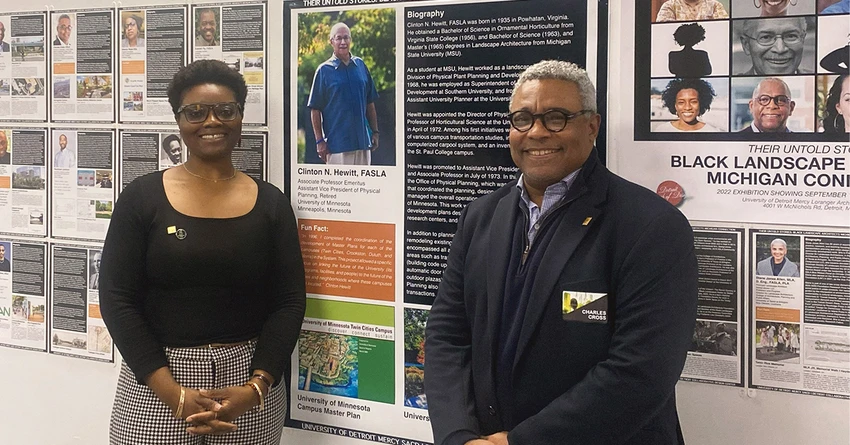
Stephanie Onwenu, ASLA, Landscape Architectural Designer & Creative Visionary.
WHAT INSPIRED YOUR DECISION TO BECOME A LANDSCAPE ARCHITECT?
As a landscape designer, I am inspired by my passion for creating and designing outdoor spaces that foster community, inspire creativity, and enhance art. My journey into the field of landscape architecture (LA) started in college at Michigan State University. As a student studying in the program, I grew to learn more about the profession and the career opportunities that were broadly available. This sparked a deeper understanding of how landscape architecture impacts the world, my role as a design professional, and how it is intertwined with my practice.
IN ADDITION TO BEING A LANDSCAPE ARCHITECT, YOU ARE A PUBLIC ARTIST. HOW DID YOUR PROFESSIONAL BACKGROUND INFLUENCE YOUR SPECIALTY AND RESEARCH?
As a landscape designer and visual artist in the field of landscape architecture, I recognize the importance of seeing people in your profession who share your background. As an emerging professional with a passion for research and storytelling, it provided an opportunity to explore how to transform a 2D concept into a living work of art experienced in the 3D world. Throughout my journey as a student, I became aware of the lack of representation of Black landscape architects and designers in the field. Noticing the gap, it didn’t take long for me to start researching other landscape architecture students and professionals in my area. This led me to a supportive community of mentors and influencers who have guided and encouraged me throughout my journey as a non-traditional Black, Nigerian-American womxn in the profession. I would add that it has strengthened networks beyond Michigan connecting to fellow peers who also share similar identifying cultural customs and ethnic backgrounds regionally around the world. We are much closer to each other than we think.
CAN YOU GIVE US A BRIEF OVERVIEW OF YOUR RESEARCH PROJECT?
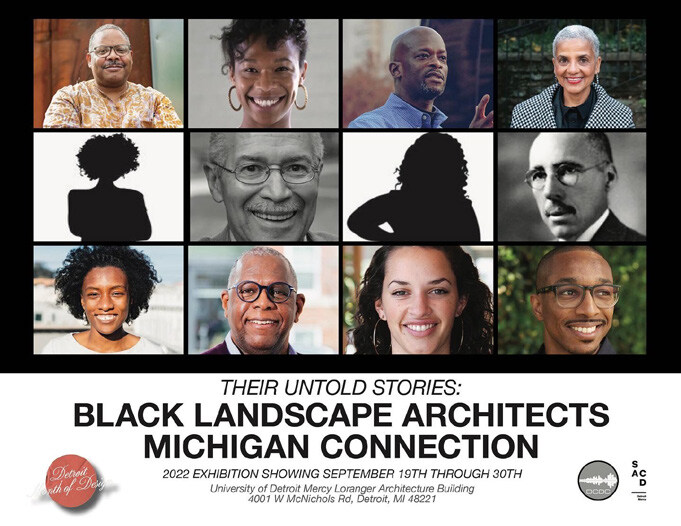
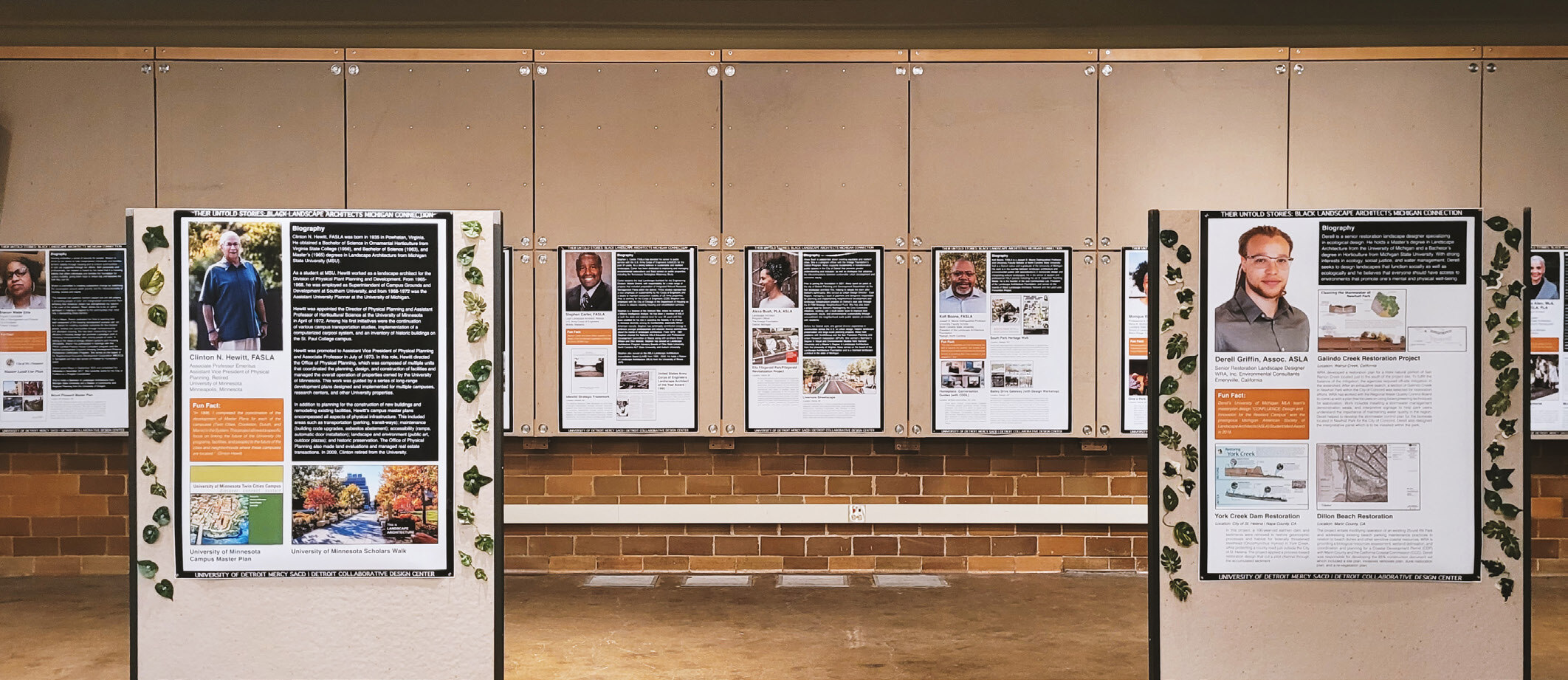
Their Untold Stories - Black Landscape Architects Michigan Connection is a collaborative research project and exhibition exploring the history, efforts, impacts and journeys of Black landscape architects, artists and designers with a Michigan connection and how their influences have impacted their journey and career in the profession. According to U.S. Census and ASLA data, “13.4 percent of the U.S. population identifies as African American, but only 2.14 percent of ASLA members do.” The exhibition creates a space to continue the conversation, amplify diversity in the profession both locally and at the state level, and celebrate our differences. Displayed through a visually compelling timeline of stories, this research forms a deeper unified linkage to the state of Michigan, the city of Detroit and surrounding areas.
The exhibition was held at the University of Detroit Mercy Genevieve Fisk Loranger Architectural Center Exhibition space during my term as the inaugural Public Interest Design Fellow at the Detroit Collaborative Design Center in 2022. The event was an official part of the Detroit Month of Design in 2022, which marked the 12th anniversary of the festival and citywide celebration of creativity that gathers designers and the greater community to celebrate Detroit’s role as a UNESCO City of Design. The exhibition closed out the month of September with the University of Detroit Mercy School of Architecture and Community Development Lecture Series Event featuring guest speaker Kofi Boone, FASLA.
WHAT INSPIRED YOU TO BEGIN THIS RESEARCH?
This research and exhibition was officially launched as part of my fellowship research study as the inaugural Public Interest Design Fellow from 2022-2023 at the Detroit Collaborative Design Center. This enrichment opportunity, integrated into the fellowship program, provided dedicated time for fellows to focus on research interests that aligned with the mission of the design center, particularly in advancing equity in design through engagement and education. As noted “Of the current licensed landscape architects, only 0.8 percent are Black and 0.3 percent are Black women... thirty-nine percent of landscape architects are female (2023)”. In building the framework, collecting data and designing the exhibition, the idea was to feature a variety of design professionals in gender and age generations. This research project was successfully completed through the support, dedication, and collaborative efforts of the research and design team, in partnership with local universities, professional organizations, and a network of like-minded individuals committed to advancing the conversation. The research team consisted of myself and my research advisor at the time, Charles Cross, ASLA, who served as the Director of Landscape and Urban Design at the Detroit Collaborative Design Center and as an Adjunct Professor at the University of Detroit Mercy School of Architecture & Community Development (SACD).
WHAT WAS THE MOST SURPRISING FINDING FROM YOUR RESEARCH?
What stood out to me most was discovering the generations of landscape architects who identify as practicing artists and who challenge conventional notions of what it means to be a designer. I was also surprised by the number of landscape architects who shared connections to my alma mater.
HOW HAS THIS RESEARCH INFLUENCED YOUR PRACTICE AND/OR ART?
As an artist and designer, I grew a greater appreciation for the role of facilitator and storyteller during this process, while navigating different perspectives. The impact grew a stronger tie to the importance of authenticity in documenting each story. This research bridges community connections with local opportunities, celebrating and highlighting contributions to the design profession that are often overlooked. As an advocate, opportunities like this advance the conversation through knowledge sharing, fostering a two-way exchange of information, and creating diverse avenues for learning and community growth.
YOU MENTIONED THAT ONLY 0.8% OF LICENSED LANDSCAPE ARCHITECTS IDENTIFY AS BLACK, JUST 0.3% AS BLACK WOMEN. ADDITIONALLY, MANY LANDSCAPE ARCHITECTS IDENTIFY AS PRACTICING ARTISTS. COULD YOU EXPAND ON WHAT IT MEANS FOR YOUTH AND EMERGING PROFESSIONALS TO HAVE ROLE MODELS?
This excerpt was extracted from a 2023 AIA Detroit article that I recently read called “A Black Woman’s Rise In Architecture Shows How Far Is Left To Go”. The quoted acknowledged ”Of licensed landscape architects, only 0.8 percent are Black and 0.3 percent are Black women, said Matt Miller, chief executive of the council that administers the Landscape Architect Registration Examination. Thirty-nine percent of landscape architects are female.”
Making up a small but mighty percentage of the profession, there is a gap in the racial and gender representation. Recognizing this gap in the landscape architecture profession and in its representation, having role models who reflect your own background can significantly influence career choices and the pursuit of professional endeavors, both during youth and throughout one’s professional development. Exposure is essential in recruiting and sustaining pathways that promote inclusivity across diverse communities. Personally, this has been reflected in my early research as a student discovering the profession and has been further developed in practice through this ongoing research project. My goal is to continue giving back by participating in programs that promote the profession to youth, such as the Lawrence Technological University: Placemaking Through Landscape Design Summer Camp, organized by the Michigan Chapter of ASLA Diversity, Equity, and Inclusion Committee, the City of Southfield, and the Southfield City Centre.
HOW WILL THE ACKNOWLEDGMENT AND COMPILATION OF THESE CONTRIBUTIONS INFLUENCE THE LANDSCAPE ARCHITECTURE FIELD, AND HOW CAN THIS IMPACT THE GENERAL PUBLIC?
Acknowledging and compiling contributions in landscape architecture plays a critical role in elevating the profession by introducing the field to broader audiences. The exhibition reached a wide range of people with over 100 attendees, including students from different age groups, out-of-state visitors, local residents and community members - opening the door for future career interests and opportunities. By bringing attention to the innovative work being done in the field by Black landscape architects + designers, these efforts raise awareness about the relevance and impacts of landscape architecture on sustainability, urban environments, social concerns and community spaces. This acknowledgment spreads awareness of the diverse applications of landscape architecture and provides an educational value opportunity to the general public for collaboration and knowledge sharing. Through exposure, the public may begin to understand that landscape architecture goes beyond designing parks and gardens. It also plays a crucial role in addressing major issues like climate change, stormwater management, and social equity through public space design.
Furthermore, it spreads awareness of career opportunities for those who may share similar interests or backgrounds. It too can inspire a greater appreciation for the spaces people occupy every day, especially when they see the direct benefits to their local neighborhoods or environments. For the general public, this increased awareness can foster a deeper appreciation for well-designed public spaces and their positive influence on communities, encouraging stronger support for sustainable and equitable urban development. There is a need and desire for this work.
HOW DOES REPRESENTATION WITHIN LANDSCAPE ARCHITECTURE AFFECT SOCIETY AT LARGE?
Representation impacts society as both a whole and as individuals. It offers a broader view of experienced design professionals practiced in landscape architecture who are servicing/serving the public health, safety and welfare. It ensures that perspectives, experiences, and cultural backgrounds are considered in the design of public spaces. This leads to more inclusive and accessible environments that better serve the needs of all community members. The diverse practices, experiences, backgrounds and perspectives that exist within the profession fosters a sense of self worth and belonging among social groups. This connects social groups to one another and cohesively to the profession as a whole.
THE EXHIBIT AT THE UNIVERSITY OF DETROIT MERCY HIGHLIGHTED THE MICHIGAN AND DETROIT AREA HISTORICAL CONNECTIONS. WHAT ACTIONS HAVE BEEN TAKEN TO EXPAND YOUR RESEARCH?
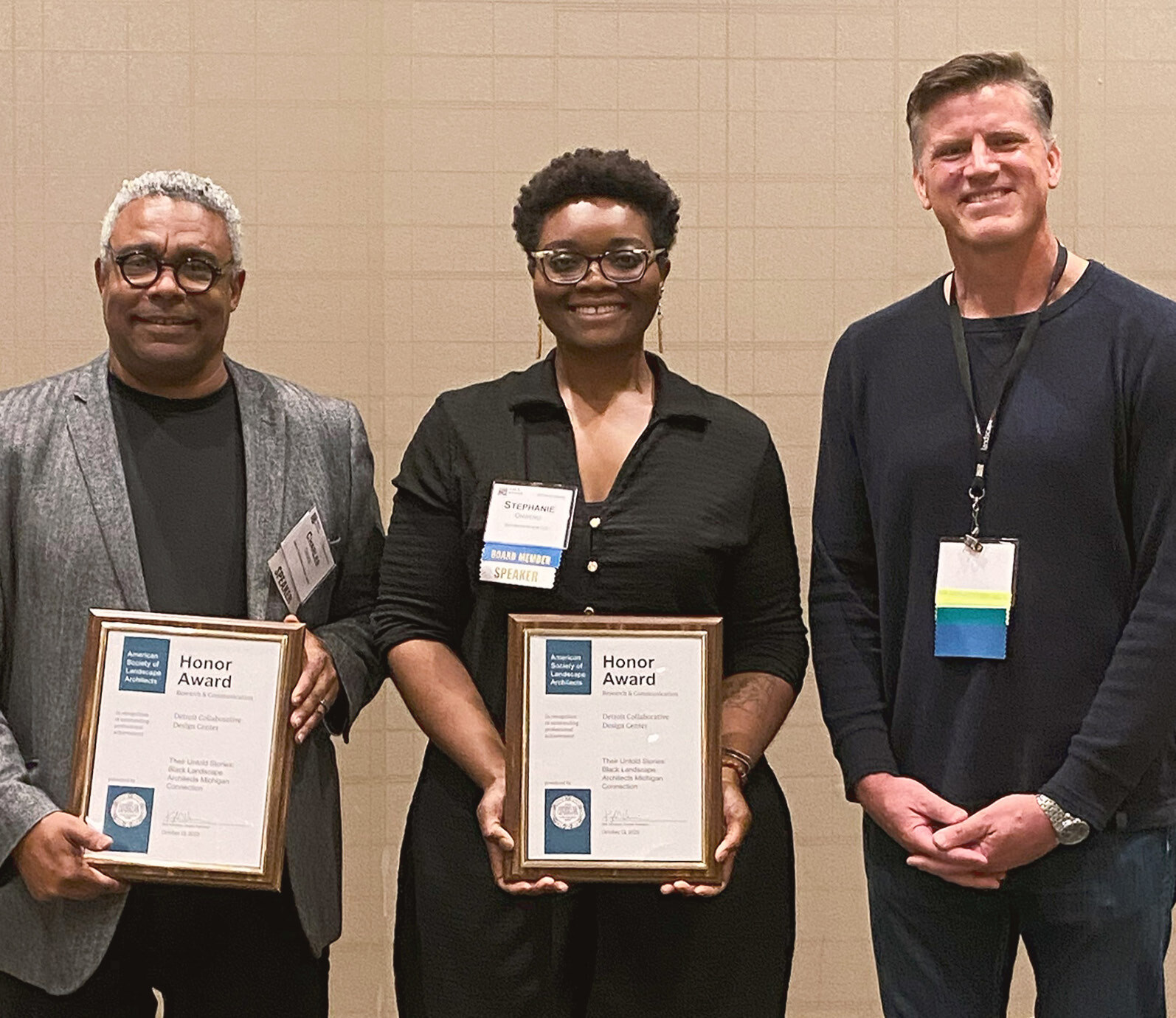
This work started as a research project that grew into a public and traveling exhibition. Over the years, the exhibition has made its way into the field of landscape architecture and the general public’s eyes beyond its inception in 2022 at the University of Detroit Mercy. In 2023, the exhibition was featured as an educational session at the Michigan ASLA Annual Conference in Bay City, MI and the recipient of a 2023 professional Honor Award in the research and communications category. Later, the exhibition traveled to the Black Landscape Architects Network’s 2023 Annual Event in Minneapolis at the National ASLA Conference highlighting ASLA Fellow, Clint Hewitt, while in his hometown. The goal is to continue collecting the stories of Black landscape architects, artists and designers as part of a larger oral history and research project throughout the country in audio, text and video formats.
WHAT ROLE CAN SUPPLIERS, SUCH AS VICTOR STANLEY, PLAY IN ENSURING REPRESENTATION?
Suppliers can play a significant role by promoting representation within landscape architecture by intentionally supporting diverse designers, communities, and collaborating on projects that focus on social equity, inclusive design, and environmental justice. I believe in many ways, suppliers can play an active and community focused role in relationship building with manufacturers when sourcing products and sustainable raw materials used in design projects. In production, they can prioritize ensuring representation by working with minority-owned businesses.
IS THERE ANYTHING ELSE YOU WOULD LIKE TO ADD?
In hopes of further expanding this work through additional projects and various forms of living documentation, the research team is actively seeking funding to support the continuation and growth of the project efforts. This funding would enable a deeper dive into the research, uncovering new insights and expanding upon the current findings. The research team aims to compile the work into a published book, making the research more accessible to the greater public and a wider audience. Alongside the book, the team aspires to develop a traveling exhibition that can bring the research findings to life, allowing diverse communities to engage with the content firsthand.